
How to Prepare for Design Entrance Exams While Studying in Class 11 and 12

4 Views
For many students who are interested in creative careers, design can be an exciting and fulfilling path. Fields such as product design, fashion design, architecture, UI/UX, animation, and graphic design have grown rapidly over the past decade. As industries increasingly rely on innovation and creativity, the demand for skilled designers continues to rise.
However, entering top design institutes in India usually requires clearing competitive entrance exams. Institutes such as NID, NIFT, IITs through UCEED, and architecture colleges through NATA conduct specialized exams that evaluate creativity, observation, logical reasoning, and visual communication.
For students who wish to pursue these careers, starting design entrance exams preparation early—during Class 11 or the beginning of Class 12—can make a significant difference. Early preparation allows students to build the right skills gradually rather than rushing through everything in the final months before the exam.
This article explains how students can prepare effectively for design entrance exams while balancing their school studies.
Why Students Should Start Preparing in Class 11
Design entrance exams are very different from traditional school exams. Instead of testing memorized information, they evaluate skills such as creativity, observation, and problem-solving. These abilities take time to develop.
Starting preparation in Class 11 offers several advantages:
Read More:Top Tips to Prepare for Your Final Exams
More Time to Develop Skills
Skills such as sketching, visualization, and creative thinking improve with consistent practice. Beginning early allows students to progress steadily.
Reduced Exam Stress
Students who begin preparing earlier often feel less pressure in Class 12 because they already have a foundation in place.
Better Understanding of Design Fields
Early preparation also gives students time to explore different design careers and decide which field suits them best.
Understanding What Design Entrance Exams Test
Before beginning preparation, it is important to understand what these exams actually evaluate. While each exam has its own pattern, most design entrance exams focus on a similar set of skills.
Observation and Awareness
Students are expected to notice details in everyday life—how people interact with objects, how spaces are organized, and how systems function.
Creativity and Idea Generation
Many questions require students to imagine solutions to real-world problems.
Visual Communication
Sketching is used to explain ideas clearly and quickly.
Logical Reasoning
Some exams include analytical questions that test decision-making and pattern recognition.
Time Management
Because most entrance exams are time-bound, students must learn to think and respond quickly.
Building Strong Sketching Skills
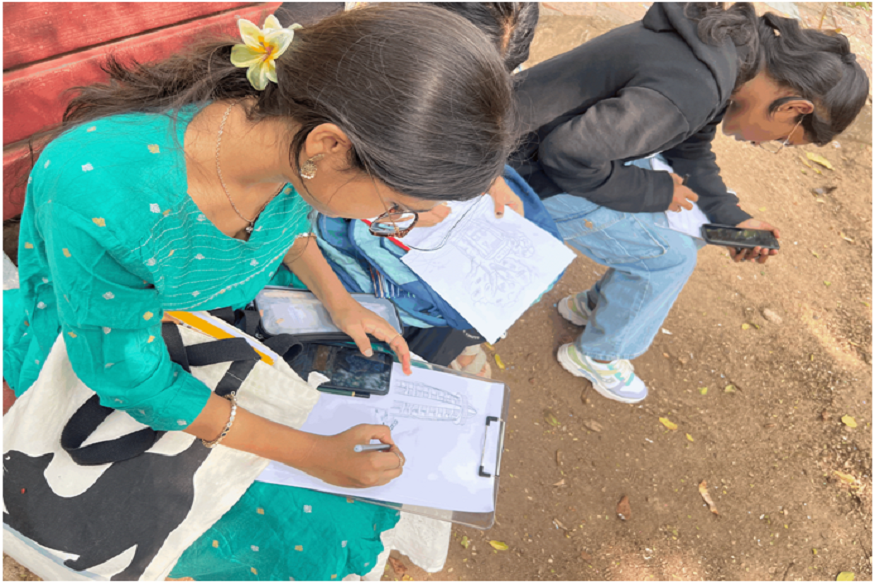
Sketching is one of the most visible components of design entrance exams. However, sketching in these exams is not about artistic perfection. Instead, it focuses on communicating ideas effectively.
Students preparing for design exams should practice:
- Drawing everyday objects
- Sketching human figures performing actions
- Showing interactions between people and products
- Creating visual stories through simple drawings
Maintaining a daily sketchbook helps students develop confidence and speed.
Developing Observation Skills
Observation plays a key role in design thinking. Designers must understand how people behave and how products or spaces are used.
Students can improve observation skills by:
- Sketching scenes from daily life
- Paying attention to public spaces such as markets or parks
- Noticing how people interact with everyday objects
These habits help students develop the ability to interpret real-life situations—an important skill for design entrance exams.
Practicing Logical Reasoning
While creativity is essential, some exams also include sections that test analytical ability.
Students can practice logical reasoning through:
- Pattern recognition exercises
- Visual puzzles
- Analytical reasoning questions
Improving reasoning skills helps students perform well in exams that combine creativity with logic.
Exploring Different Design Fields
During Class 11 and 12, students should explore various design disciplines to understand their interests.
Some popular design fields include:
- Product design
- UI/UX design
- Graphic design
- Fashion design
- Animation
- Architecture
Understanding different fields helps students decide which entrance exam to focus on.
Managing School Studies and Entrance Preparation
Balancing board exam preparation with entrance exam practice can feel challenging. However, with proper planning, students can manage both effectively.
Create a Weekly Study Plan
Students should allocate specific time slots for sketching practice, reasoning exercises, and school studies.
Practice Consistently
Even 30–60 minutes of daily practice can make a significant difference over time.
Focus on Quality, Not Quantity
Practicing thoughtfully and reviewing mistakes is more useful than completing large numbers of exercises without reflection.
Understanding the Importance of Guidance
While self-study can be helpful, many students benefit from structured learning environments where they can receive feedback and guidance.
Mentors can help students:
- Understand exam patterns
- Improve sketching clarity
- Develop creative thinking
- Identify areas that need improvement
Because of this, some students choose professional training for exams such as NIFT or NID.
Students preparing for fashion design exams often look for NIFT coaching classes in hyderabad, chennai and kerala programs that provide structured practice and mock tests.
Students interested in architecture often require specialized training as well. Many architecture aspirants look for NATA coaching in Hyderabad or other major cities where experienced mentors can guide them through drawing tests, spatial reasoning, and architectural aptitude.
Similarly, aspirants preparing for NID sometimes enroll in NID coaching in hyderabad, chennai and kerala to receive guidance on creativity and design thinking.
Practicing Mock Tests
Mock tests are an important part of design entrance exam preparation. They help students understand how questions are structured and how to manage time effectively.
Benefits of mock tests include:
- Familiarity with exam patterns
- Improved time management
- Reduced exam anxiety
- Better understanding of strengths and weaknesses
Students should review their mock test results carefully to identify areas where they need improvement.
Read More:Know Why A British Student Visa Is Your Gateway To Global Opportunities
Building Confidence Through Practice
Confidence plays an important role in entrance exams. Students who regularly practice sketching, observation, and reasoning exercises gradually become more comfortable with the types of questions asked in design exams.
Participating in creative activities such as sketching competitions, design workshops, or art clubs can also help students build confidence and exposure.
Staying Curious and Creative
Design is ultimately about curiosity. Students who are naturally curious about how things work often perform well in design entrance exams.
Activities that help develop curiosity include:
- Exploring museums or exhibitions
- Reading about design innovations
- Observing everyday environments with a designer’s perspective
These experiences expand a student’s understanding of the world and inspire creative thinking.
Final Thoughts
Preparing for design entrance exams while studying in Class 11 and 12 requires patience, consistency, and curiosity. Students who start design entrance exams preparation early can gradually build the skills needed to succeed in these competitive exams.
By practicing sketching, improving observation, strengthening logical reasoning, and seeking guidance when needed, students can approach exams such as NID, NIFT, UCEED, and NATA with confidence.
Design careers offer opportunities to work in industries ranging from technology and automobiles to fashion, architecture, and digital media. For students who enjoy creativity and problem-solving, preparing early for these exams can be the first step toward a rewarding and impactful career in design.